
 EN
EN  NL
NL FR
FR DE
DE HI
HI IT
IT KO
KO PL
PL PT
PT RU
RU ES
ES TR
TR AR
AR BG
BG HR
HR CS
CS DA
DA FI
FI EL
EL JA
JA NO
NO RO
RO SV
SV IW
IW ID
ID LV
LV LT
LT SR
SR SK
SK SL
SL UK
UK VI
VI ET
ET HU
HU UZ
UZ TH
TH FA
FA MS
MS BE
BE HY
HY AZ
AZ KA
KA MN
MN MY
MY KK
KK TG
TGThere may be issues in handling oxygen-sensitive substances in cases where even the slightest exposure to air or water affects the substance. With a Lab Glove Box along with a purification system, a controlled environment is established in which substances can be handled without any intrusion by the normal room air. This kind of system is used for handling battery substances, highly reactive chemicals, pharmaceuticals, and research samples that need a dry and oxygen-free environment. Rather than constantly transferring oxygen-sensitive substances from one vessel to another, it is possible to handle them within a sealed enclosure.
Why Moisture-Sensitive Materials Need a Purification Glove Box
Moisture-sensitive materials can change quickly when they come into contact with water vapor in normal air. Some powders may absorb moisture, while reactive chemicals can break down, form unwanted compounds, or become unsafe to handle. A purification glove box helps prevent these problems by creating a sealed working environment with very low moisture and oxygen levels.
For example, a researcher preparing a lithium battery material may spend hours weighing and mixing a powder, only to find that the sample has changed after being exposed to room air. Even short exposure can affect test results or material performance. Inside a purification glove box, the material stays in a controlled atmosphere from preparation to handling.
The purification system plays an important role here. It removes moisture and oxygen from the chamber atmosphere and keeps the gas clean as it circulates. Sensors allow the operator to check oxygen and moisture levels during work. If the readings start to rise, the system can continue purification until the atmosphere returns to the required range.
Before using the glove box, make sure the chamber is properly sealed and the purification system is running. Check the oxygen and moisture readings before bringing sensitive materials inside. When transferring samples, use the antechamber correctly and avoid leaving its door open longer than necessary. These simple steps help reduce air leakage and protect materials from unwanted exposure.
A purification glove box is especially useful when material quality depends on a stable, dry environment. It does not replace careful handling, but it gives operators much better control over the conditions surrounding sensitive samples.
How a Glove Box with Purification System Controls Atmosphere
A glove box with a purification system controls the atmosphere by keeping outside air away from the working chamber and continuously cleaning the gas inside. The main goal is to maintain low levels of oxygen and moisture so sensitive materials can be handled without reacting with normal room air.
The system usually works with an inert gas such as nitrogen or argon. Before operation, the chamber is filled with the selected gas to push out most of the air. The purification unit then removes remaining oxygen and moisture from the circulating gas. A closed-loop circulation system sends the gas through the purifier and back into the glove box, allowing the atmosphere to stay clean without constantly wasting fresh gas.
Sensors inside the glove box monitor oxygen and moisture levels. For example, if an operator notices that the moisture reading has increased after transferring a sample, the circulation system can continue running until the level returns to the required range. This gives the operator a simple way to check whether the chamber is ready for sensitive work.
The antechamber also helps protect the controlled atmosphere. Materials are normally placed inside the antechamber before entering the main chamber. The operator follows the correct evacuation and gas-filling steps to remove trapped air before opening the inner door.
Good operation depends on more than the purifier itself. Check seals, gloves, gas connections, and sensor readings regularly. Avoid unnecessary door openings and make sure transferred materials are properly prepared before entering the chamber. When these steps are followed, the glove box can maintain a stable atmosphere for oxygen- and moisture-sensitive material handling.
Applications in Battery Materials and Electronic Components
A purification glove box is widely used when battery materials and electronic components need protection from oxygen and moisture. These materials can be sensitive during mixing, testing, coating, assembly, or storage, so working in a controlled atmosphere helps keep their properties stable.
In battery research, glove boxes are often used to prepare electrode powders, handle lithium-based materials, mix electrolyte components, and assemble laboratory cells. For example, a researcher may need to place a small amount of lithium material into a test cell. Doing this on an open laboratory bench can expose the material to humidity and oxygen. Inside a properly maintained glove box, the operator can weigh, transfer, and assemble the parts while keeping the material in a dry inert atmosphere.
Electronic components can also benefit from this type of controlled workspace. Some semiconductor materials, thin-film materials, metal powders, and specialty compounds can react with air or absorb moisture during processing. Keeping these materials away from normal room conditions can help reduce contamination and unwanted surface reactions.
When using a glove box for battery or electronic work, start by checking the oxygen and moisture readings. Make sure materials entering the chamber are dry and that the antechamber has completed its purge cycle. Arrange tools and containers so the work can be completed without repeatedly opening transfer ports or disturbing the chamber atmosphere.
The exact atmosphere requirements depend on the material and process. Some applications may require very low moisture, while others place greater importance on oxygen control. Matching the glove box settings and purification capacity to the actual material requirements is important for getting consistent results without creating unnecessary operating costs.
Key Selection Points for Purification Glove Box Systems
Choosing a purification glove box should start with the material and process, not just the size or appearance of the equipment. Different applications have different requirements for oxygen, moisture, working space, gas type, and purification capacity. A good match helps maintain stable conditions and makes daily operation easier.
First, check the required oxygen and moisture levels. Battery research, reactive chemicals, and sensitive electronic materials may need very dry, low-oxygen conditions. Look at the purifier's rated performance and confirm that it can reach the levels required for your work.
Next, consider the working chamber size. A small research setup may only need enough space for weighing and sample preparation, while battery assembly or larger laboratory processes may require more room. Avoid choosing a chamber that is too small for your tools and materials, as a crowded workspace can make handling more difficult.
The purification system itself also deserves close attention. Check its capacity, regeneration method, expected service life, and compatibility with the gases and materials you plan to use. For example, a glove box used regularly for moisture-sensitive battery materials may need stronger purification capacity than one used only for occasional sample handling.
Pay attention to the antechamber as well. It should be large enough for the items you commonly transfer and should support a practical evacuation and gas-filling process. Good seals, reliable pressure control, clear oxygen and moisture displays, and comfortable gloves can make a noticeable difference during daily work.
Finally, think about maintenance and future use. Ask how filters or purifier components are serviced, how sensors are checked, and whether replacement parts are readily available. It is also useful to leave some room for future process changes. A glove box selected around your actual workflow will usually be easier to operate and maintain than one chosen only by its basic specifications.
Maintenance Tips for Long-Term Low Oxygen and Moisture Control
Keeping a purification glove box at low oxygen and moisture levels requires regular care. Even a well-designed system can lose performance if seals, gloves, sensors, or purifier components are neglected. A simple maintenance routine helps catch small problems before they affect sensitive materials or interrupt laboratory work.
Start by checking oxygen and moisture readings before daily use. Record the values when possible so you can notice unusual changes over time. If moisture or oxygen levels begin rising without an obvious reason, check for leaks, poor sealing, or problems with the gas supply instead of immediately assuming the purifier has failed.
Inspect the gloves and seals regularly. Small cracks, worn glove ports, or damaged door seals can allow room air to enter the chamber. Replace damaged parts promptly. Pay special attention after moving equipment or changing components, since these activities can disturb connections that were previously sealed.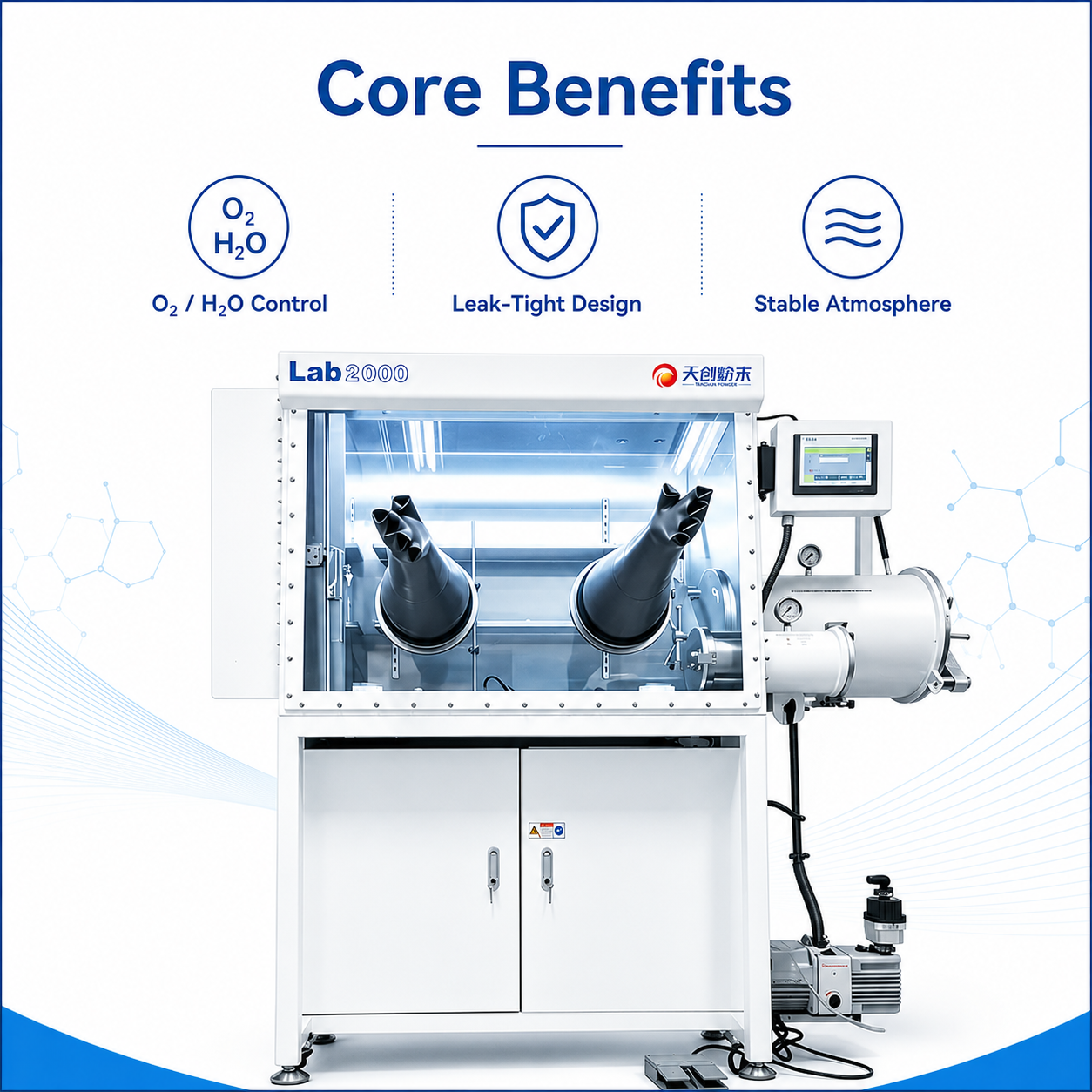
The purification system also needs scheduled care. Follow the manufacturer's instructions for purifier regeneration, filter replacement, and sensor checks. Do not wait until the system can no longer maintain the required atmosphere. Keeping a simple maintenance record can help you track regeneration cycles, replacement dates, and unusual readings. Essential Equipment for Battery Research The Role of Vacuum Glove Boxes in Lithium-Ion Production .
The antechamber should receive attention as well. Make sure its doors close properly and follow the recommended evacuation and refill cycle when transferring materials. Avoid leaving the antechamber open unnecessarily, since every unnecessary exposure adds work for the purification system.
Finally, keep the inside of the glove box clean and organized. Remove waste and unnecessary materials, and avoid bringing wet or contaminated items into the chamber. If the atmosphere becomes unstable, pause sensitive work and find the cause before continuing. Consistent checks and timely maintenance are usually more effective than waiting for a serious purification problem to appear.
Table of Contents
- Why Moisture-Sensitive Materials Need a Purification Glove Box
- How a Glove Box with Purification System Controls Atmosphere
- Applications in Battery Materials and Electronic Components
- Key Selection Points for Purification Glove Box Systems
- Maintenance Tips for Long-Term Low Oxygen and Moisture Control

Changsha Tianchuang(TENCAN) Powder Technology Co., Ltd., established in 2006, is an integrated enterprise specializing in R&D, manufacturing, and sales. Its R&D, sales, and operations center is located in the Changsha Economic and Technological Development Zone, while its production base is in the Wushi High-tech Industrial Park.


